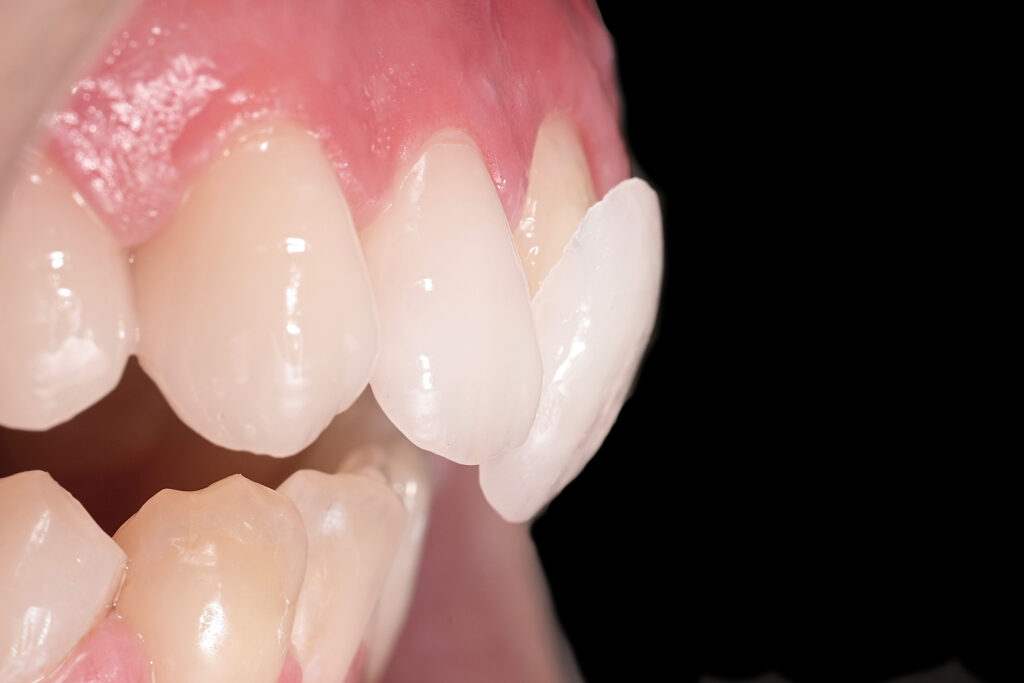
Veneers are ultra-thin ceramic shells permanently bonded to the front surface of your teeth. At our dental practice in Freienstein, veneers are among the most requested aesthetic treatments — because they correct the colour, shape, position, and size of visible teeth, creating a harmonious, natural smile with minimal intervention in healthy tooth structure.
The concept behind veneers originated in Hollywood: as early as the 1930s, actors had thin dental shells crafted to look perfect on camera. Today, thanks to modern ceramic technology, veneers are highly durable, exceptionally aesthetic, and available to anyone who desires a more beautiful smile. In combination with gum contouring, which can further refine the overall smile, they offer comprehensive aesthetic results.
Veneers are a versatile solution for a wide range of aesthetic concerns. They are particularly effective for tooth discolourations that cannot be sufficiently lightened through bleaching — such as tetracycline staining or devitalised (dead) teeth. Veneers can also visually correct minor tooth misalignments without the need for orthodontic treatment.
Other common applications include chipped or worn tooth edges, uneven tooth shapes or sizes, visible gaps between front teeth (diastema), and old, discoloured composite fillings in the front teeth area. With veneers, all of these concerns can be addressed in just a few sessions — the result is a natural, radiant smile.
With traditional veneers, a thin layer of tooth enamel (approximately 0.3 to 0.7 mm) is removed so that the ceramic shell sits flush and looks natural on the tooth. This process is irreversible but offers the greatest design freedom in terms of colour and shape.
Non-prep veneers require no or minimal tooth preparation (also called Lumineers or instant veneers). They are particularly thin (approximately 0.2 to 0.3 mm) and are bonded directly onto the existing tooth. This option is especially suitable for minor corrections and for patients who prefer a tooth-preserving approach. At our practice, we offer both options and will advise you honestly on which solution best suits your individual situation.
Treatment begins with a comprehensive consultation where we discuss your wishes and expectations in detail. Using photographs and, where appropriate, digital smile design, we show you in advance what your smile could look like with veneers. In the first treatment session, the teeth are gently prepared if necessary, an impression is taken, and this is sent to our dental laboratory.
The laboratory crafts your individual ceramic shells by hand. This typically takes seven to ten working days. In the second session, the finished veneers are tried on, fine-tuned if needed, and then permanently bonded to the teeth with a special adhesive cement. The aesthetic result is immediately visible.
High-quality ceramic veneers are extraordinarily durable with proper care. Studies show that veneers made from feldspathic or lithium disilicate ceramics still have a success rate of over 90 per cent after 15 to 20 years. Daily care is hardly different from that of natural teeth: regular brushing, flossing, and professional cleanings keep your veneers in excellent condition for years.
Extreme mechanical stress should be avoided — for example, opening bottles with your teeth or sustained heavy grinding. If you tend towards bruxism (teeth grinding), we recommend a night guard to protect your veneers long-term.
The quality of a veneer depends fundamentally on the craftsmanship of the dental technician. We work exclusively with experienced Swiss dental laboratories that individually layer and characterise each veneer by hand. The result is not uniform white standard shells, but vibrant, natural-looking restorations with subtle colour nuances, translucency, and individual surface texture — indistinguishable from a healthy natural tooth.
At our practice, we prioritise biocompatibility even in aesthetic treatments. The ceramics we use — lithium disilicate and feldspathic ceramic — are metal-free, biologically compatible materials with decades of proven use in dentistry. The bonding cement is also carefully selected and contains no bisphenol A (BPA).
Unlike metal-ceramic crowns or conventional veneers, all-ceramic veneers have no metal margins that can darken over time. The aesthetic result therefore remains both visually pleasing and biologically safe in the long term — fully aligned with our holistic treatment philosophy.
Dr. Siouri combines aesthetic ambition with biological awareness. For every veneer case, we consider not only the desired appearance but also function, tooth substance preservation, and long-term stability. This interplay of aesthetics and biology sets our approach apart from purely cosmetic treatment.
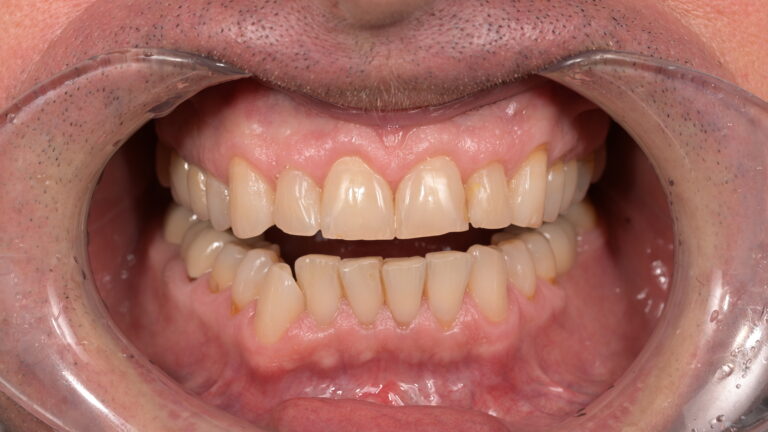
At Zahnarztpraxis Freienstein, every successful treatment begins long before any procedure takes place.
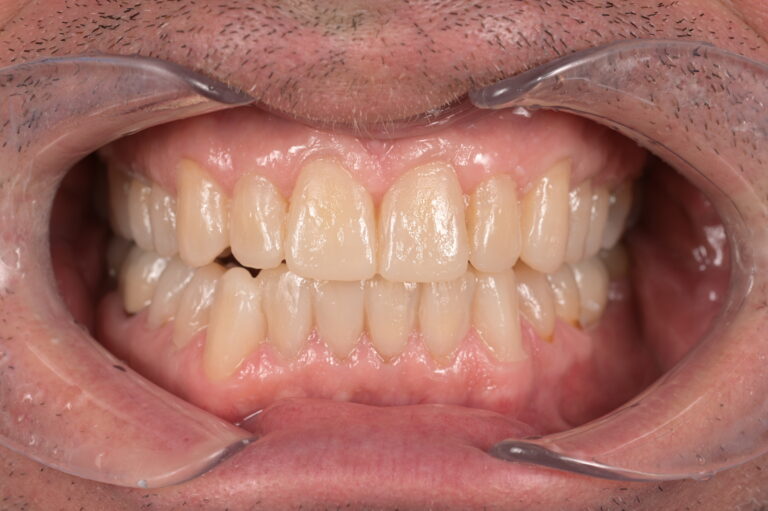
You try out your future smile as a temporary mock-up directly in your mouth.
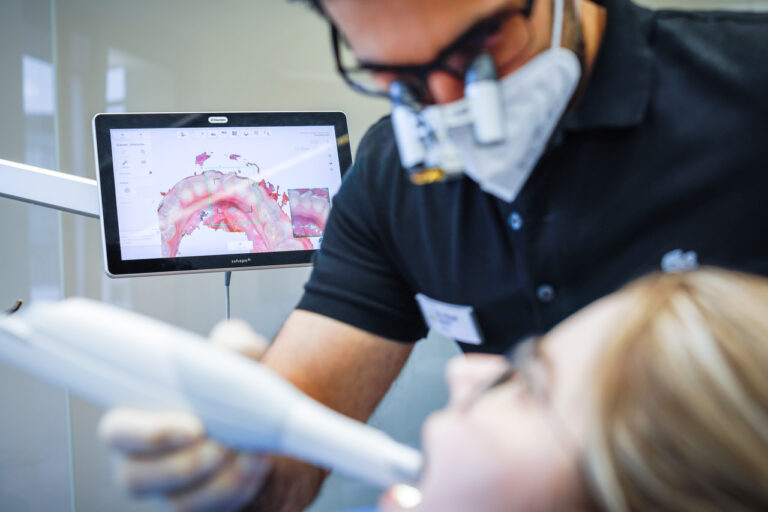
Tooth preparation is the carefully controlled process so we can fit over it precisely and durably.
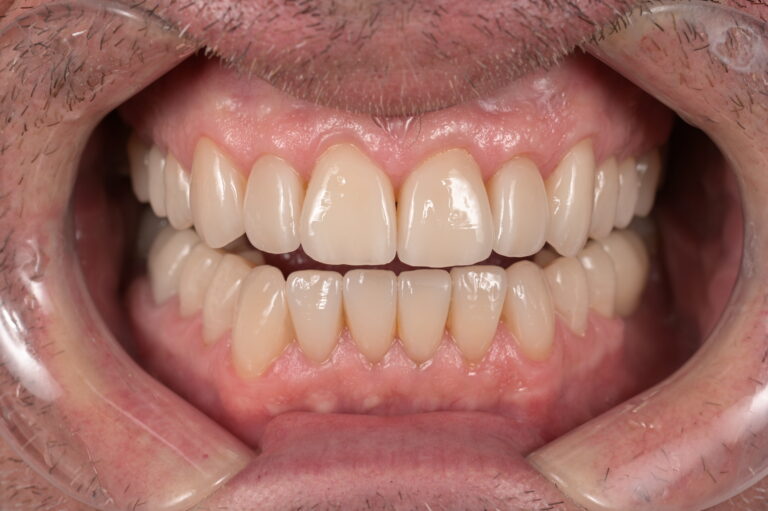
Veneer placement is the final and most decisive step in achieving a lasting, natural-looking smile transformation.
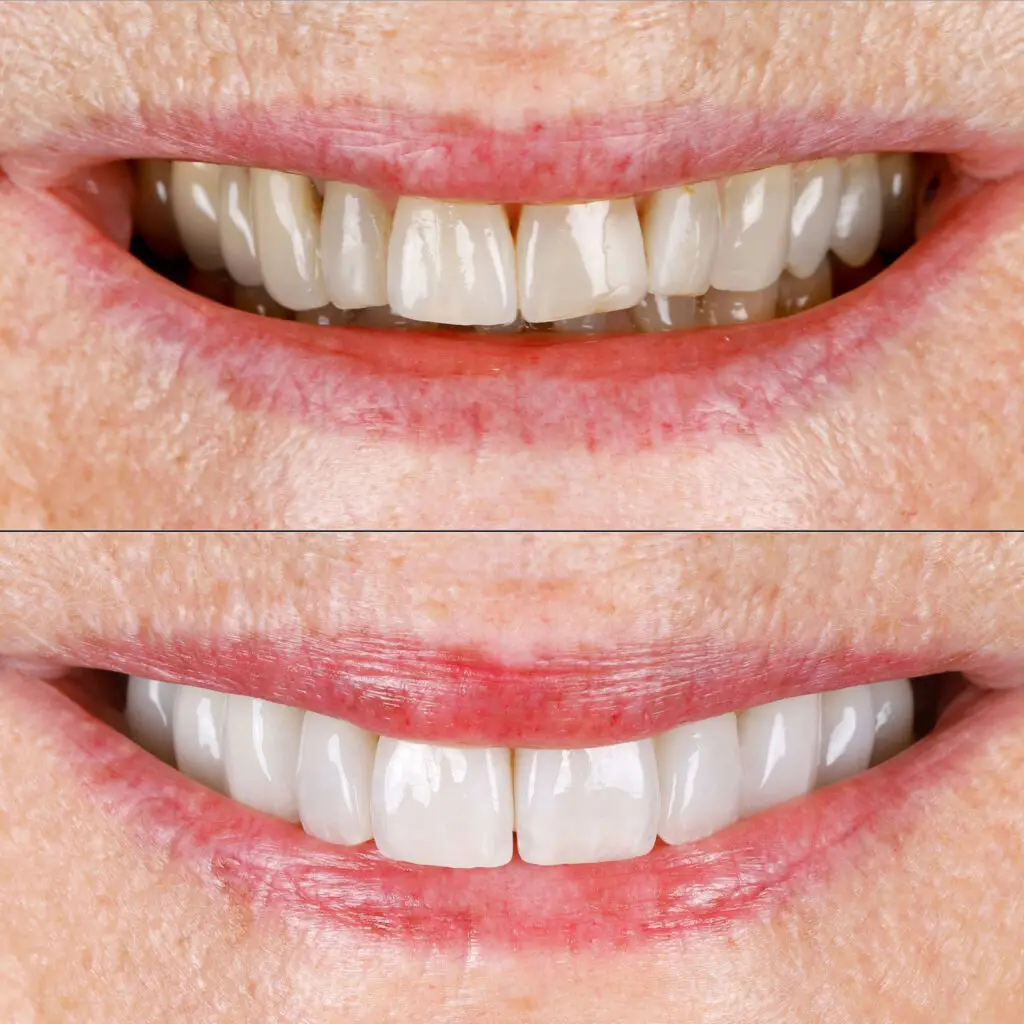
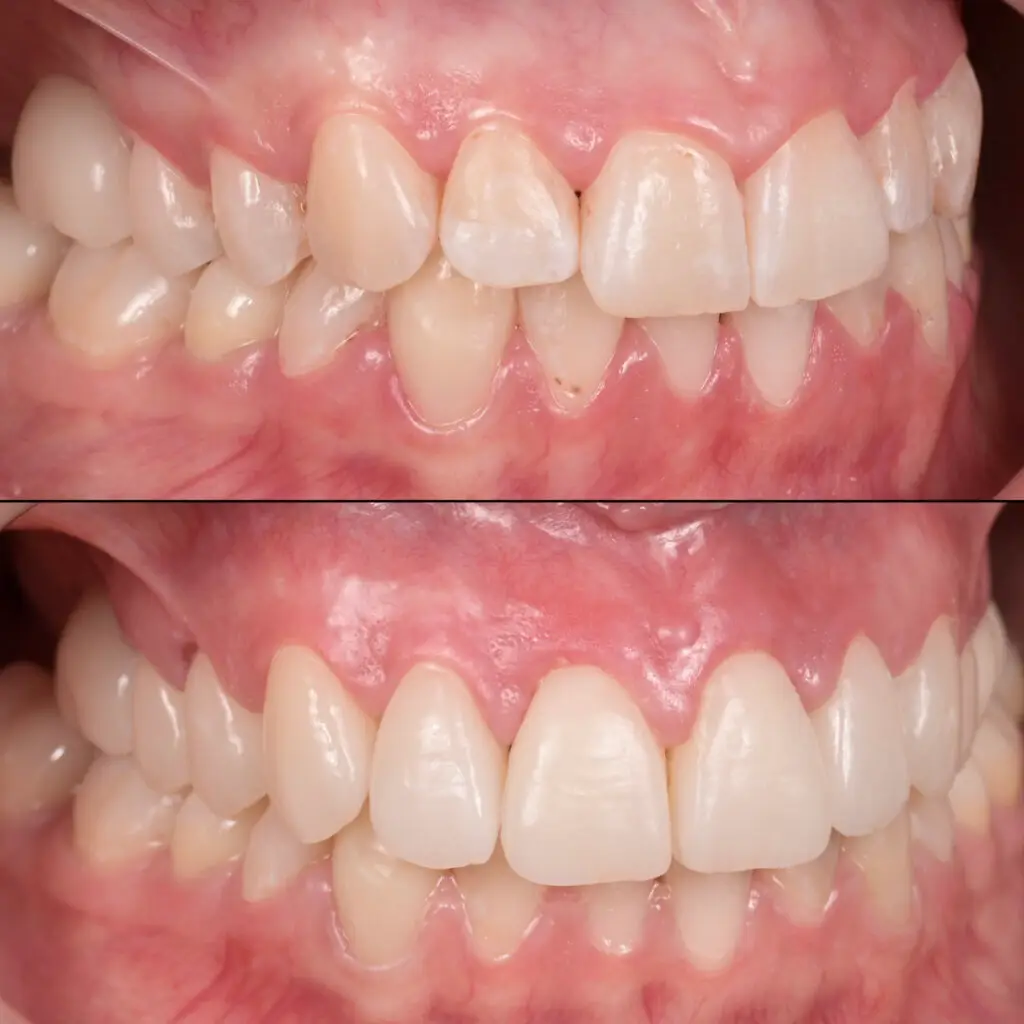
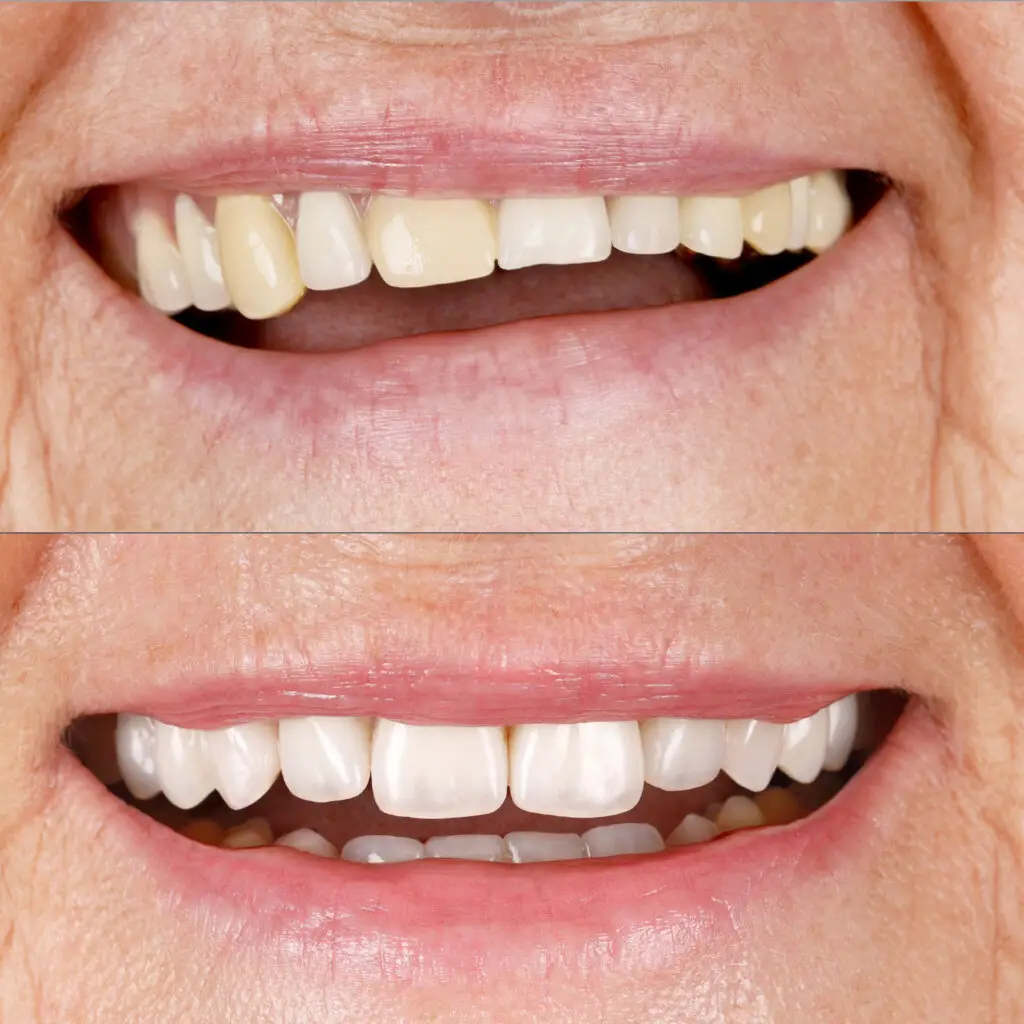
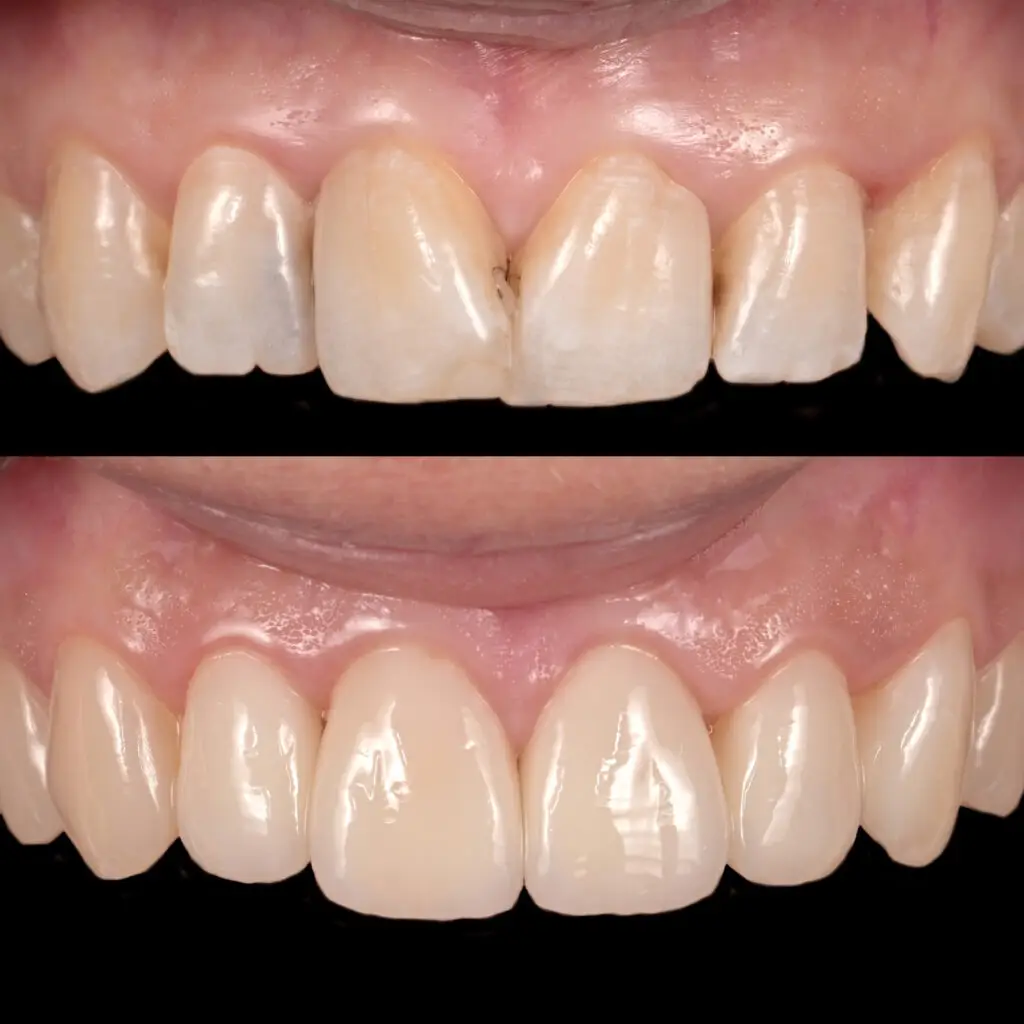
Modern ceramic veneers are virtually indistinguishable from natural teeth. Light refracts through the ceramic in a way that closely mimics natural enamel, producing a vibrant, lifelike appearance. Individual characterisation by our dental technicians ensures each veneer matches the surrounding teeth in colour, translucency, and surface texture.
The treatment is generally painless or only minimally uncomfortable. For traditional veneers, a minimal layer of enamel is removed under local anaesthesia to ensure complete comfort. For non-prep veneers, anaesthesia is usually not required at all. Most patients find the overall experience straightforward and well-tolerated.
Costs vary depending on the number of veneers, the material chosen, and the complexity of your individual case. Ceramic veneers are a long-term investment in your smile and well-being, with a success rate of over 90 per cent after 15 to 20 years when properly cared for. In a personal consultation, we provide you with a fully transparent, itemised cost estimate — so there are no surprises.