FDOK (fatty degenerative osteolysis of the jawbone) and NICO (neuralgia-inducing cavitational osteonecrosis) are chronic, silent inflammations in the jawbone that often go undetected for years. These foci typically cause no local pain, yet they can place a significant burden on the entire body. Research has shown that FDOK and NICO lesions produce inflammatory mediators — most notably RANTES (CCL5) — which are associated with chronic fatigue, persistent joint pain, autoimmune conditions, and a range of other systemic complaints that may not be linked to the jaw by conventional medicine.
Because the jaw itself rarely hurts, many patients have already consulted numerous specialists without receiving a clear diagnosis before discovering that a silent jawbone focus may be the underlying cause. This is why targeted, specialised diagnostics are essential.
We diagnose FDOK and NICO using 3D CBCT imaging, which provides a three-dimensional view of the jawbone and reveals the characteristic bone dissolution and density reduction patterns associated with these conditions. Conventional two-dimensional X-rays frequently miss these lesions entirely, making high-resolution 3D imaging a critical diagnostic step.
Once a focus has been identified and confirmed, treatment involves the careful surgical removal of the affected and necrotic bone tissue. The surgical site is then treated with ozone disinfection to eliminate pathogens naturally and without antibiotics, followed by PRF therapy to support bone regeneration. PRF (platelet-rich fibrin) is derived from the patient’s own blood and releases growth factors that accelerate natural tissue healing. Our approach is strictly biological: we avoid synthetic chemicals where possible and support the body’s own regenerative capacity at every stage of treatment.
Following surgery, we monitor healing closely and may incorporate supportive biological measures as required. Many patients report a gradual improvement in their systemic complaints — such as fatigue or joint pain — in the weeks and months following successful focus removal.
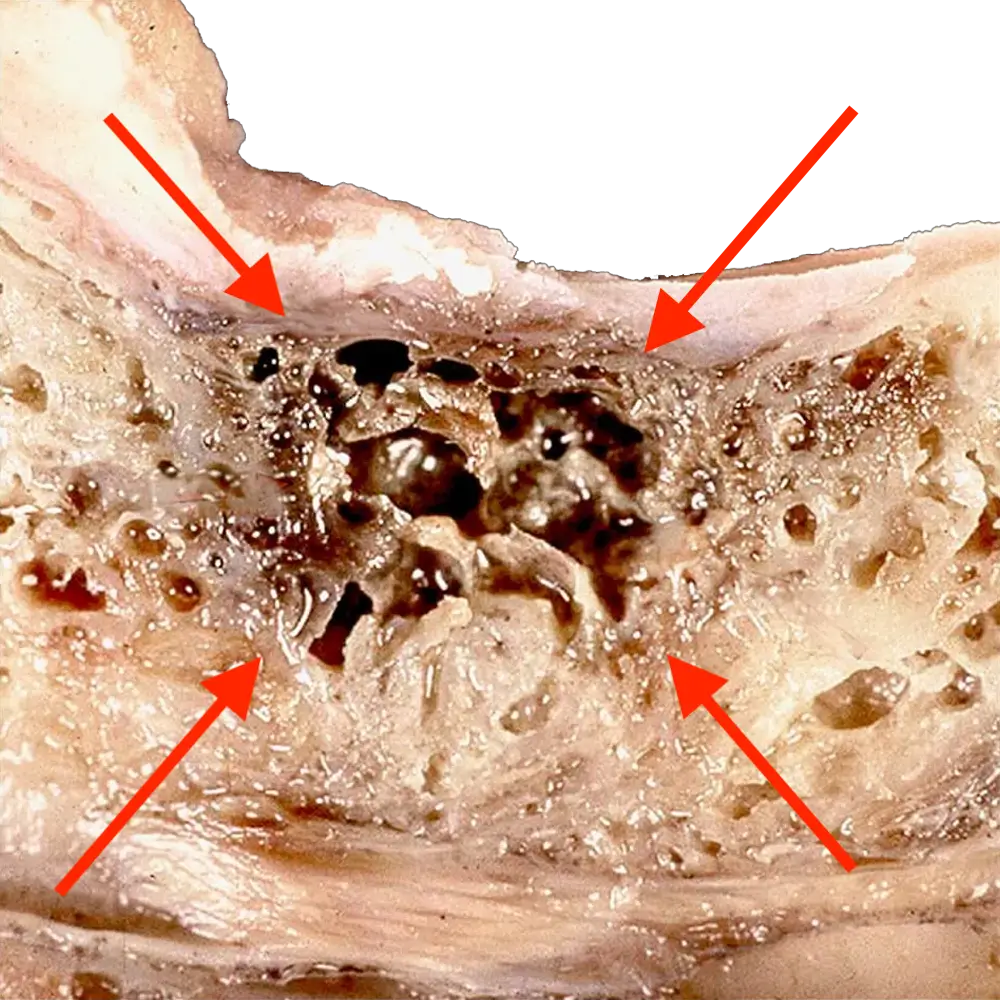
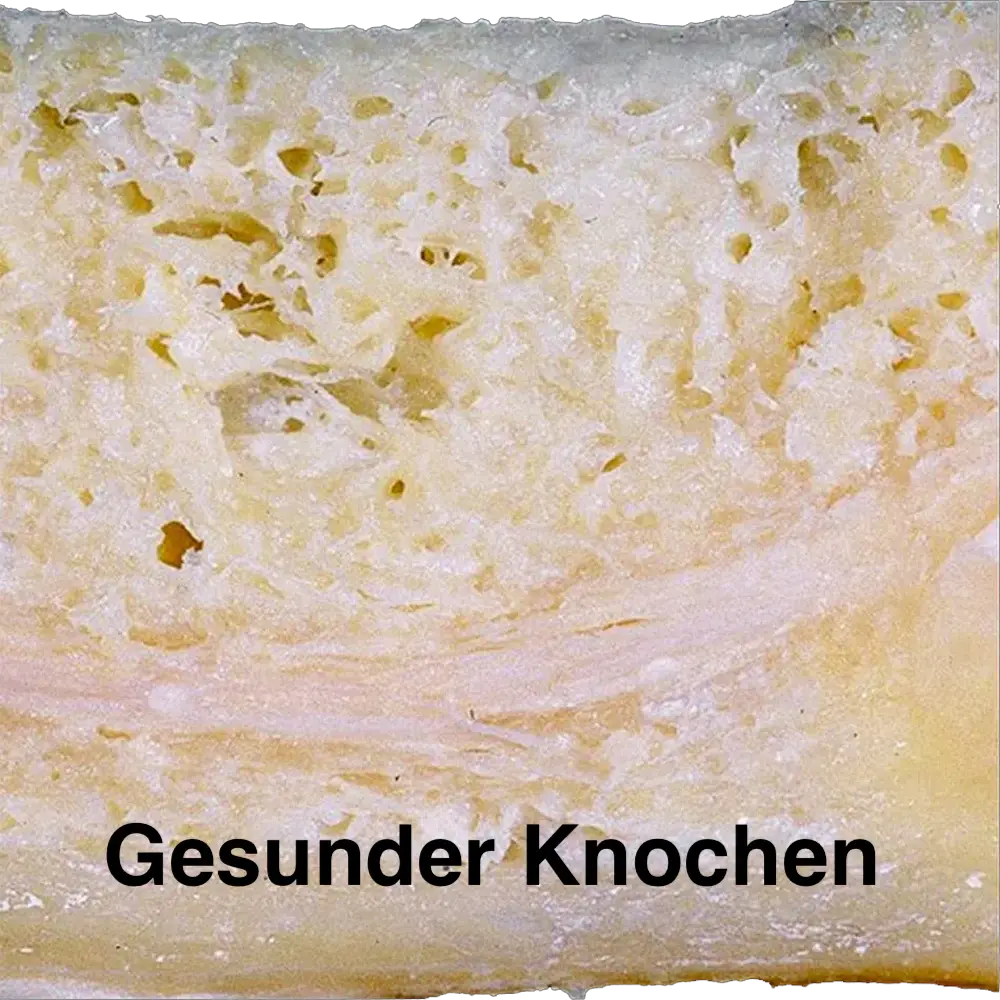
Unfortunately, these foci are often entirely symptom-free in the jaw area itself. Clues may include chronic fatigue, persistent joint pain, brain fog, or unexplained systemic complaints that no other specialist has been able to diagnose. If you have a history of tooth extractions, root canal treatments, or jaw surgery, the risk of developing a cavitational lesion is elevated. A targeted consultation and 3D CBCT diagnostic imaging can provide clarity.
The surgical procedure is carried out under local anaesthesia. Patients generally report only mild post-operative discomfort, which typically resolves within a few days. We also offer supportive options such as neural therapy with procaine injections to support tissue regulation and reduce post-operative sensitivity.
There is growing evidence in biological dentistry that heavy metal exposure from dental materials may contribute to chronic immune dysregulation. As part of a holistic approach, we consider the full picture of a patient’s dental materials. Our practice specialises in metal-free dentistry, and we can discuss safe material removal if appropriate.
The diagnostic process typically requires one consultation and one CBCT scan, which are assessed together. Surgical treatment is usually completed in a single session, followed by a healing check approximately one to two weeks later. The total number of appointments depends on the extent of the lesion and any additional biological support measures recommended for your individual case.