

Temporomandibular joint (TMJ) disorders — medically known as craniomandibular dysfunction (CMD) — are more common than many patients realise. TMJ therapy addresses a wide spectrum of symptoms: jaw clicking, pain when chewing, persistent headaches, tinnitus, neck tension, shoulder pain and dizziness. These complaints are often interconnected through the complex relationship between the jaw joint, the chewing muscles, cervical spine and posture. At our practice in Freienstein, Dr. Siouri and team diagnose and treat CMD with a thorough, holistic approach that looks beyond the teeth alone.
An accurate diagnosis is the foundation of effective TMJ therapy. We begin with a detailed clinical examination of the jaw joint, the chewing and neck muscles, bite position and overall posture. Where needed, we use 3D CBCT imaging to gain precise, three-dimensional insight into the structures of the jaw and surrounding bone. This allows us to identify even subtle asymmetries or degenerative changes that may be contributing to your symptoms. We also screen for potential interference fields — areas of chronic tissue irritation in the jaw — which can manifest as silent jawbone inflammation and amplify pain signals throughout the body. Only once we have a complete picture do we propose a personalised treatment plan.
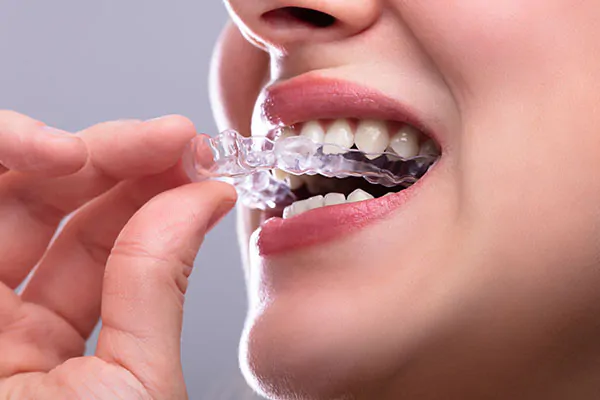
Splint therapy is often the first and most important step in CMD treatment. We fabricate a custom-fitted occlusal splint — precisely calibrated to your bite — that relieves pressure on the jaw joint and gently relaxes the overactive chewing muscles. The splint is typically worn at night to counteract bruxism (teeth grinding) and clenching during sleep, and may also be recommended during the day in more pronounced cases.
Custom splints are not off-the-shelf devices. Each one is individually crafted from measurements taken at our practice, ensuring it fits accurately and functions therapeutically from the first night of use. Over weeks of wear, most patients notice a marked reduction in jaw pain, morning headaches and muscle stiffness.
Splint therapy does not stand alone. Depending on your diagnosis, we may also recommend complementary neural therapy using targeted procaine injections to calm irritated nerve pathways, manual therapy to relieve tension in the cervical spine and jaw muscles, or a referral to a trusted physiotherapy partner. In some cases, correction of tooth misalignment through treatments such as orthodontics plays a role in long-term stabilisation.
The jaw is not an isolated structure. The trigeminal nerve — one of the largest cranial nerves — connects the jaw joint to the brain and influences the entire nervous system. An imbalanced bite or chronic jaw tension can transmit strain upward into the skull (causing headaches and tinnitus) and downward into the neck, shoulders and even the lower back. This is why CMD symptoms so often appear far from the mouth and why patients sometimes consult multiple specialists before receiving an accurate diagnosis.
Our biological dentistry approach treats the jaw in the context of the whole person. We consider lifestyle factors, stress levels and systemic health when designing your treatment plan, because sustainable relief requires understanding the root cause — not simply suppressing the symptoms.
If you regularly experience jaw clicking, headaches or neck tension and your ENT specialist finds no underlying cause, a CMD assessment at our practice can provide clarity. Our biological dentistry approach means we examine the jaw in the context of your overall health — not in isolation. We also consider whether occlusal imbalances, tooth misalignment (which may benefit from aligner therapy) or postural strain are contributing factors, and we coordinate care with other specialists when appropriate.
Occlusal splints are generally not covered by basic Swiss health insurance (Grundversicherung). However, some supplementary insurance policies (Zusatzversicherung) may contribute to the cost. We recommend checking with your insurer before treatment. We are happy to provide a detailed treatment estimate to support any reimbursement request.
The duration depends on the severity of the dysfunction and your individual response to therapy. Many patients notice significant symptom relief within four to eight weeks of consistent splint use. A complete treatment cycle — including follow-up adjustments and any complementary therapies — typically spans three to six months. We monitor your progress at regular check-up appointments.
A splint manages and reduces the harmful effects of bruxism — protecting teeth from wear and relieving jaw muscle strain — but it does not eliminate the underlying cause of grinding. Where stress or parafunctional habits are the primary drivers, we may recommend additional therapeutic support. In some cases, addressing bite imbalances contributes to a lasting reduction in bruxism activity.
Occasional jaw clicking without pain is common and not always clinically significant. CMD is diagnosed when clicking is accompanied by pain, restricted jaw movement, muscle tenderness, headaches or other functional complaints. If clicking is new, worsening or accompanied by any of these symptoms, a professional assessment is recommended.