

When a tooth is severely damaged but the root remains intact, a ceramic crown can fully restore and protect it. If a tooth is missing entirely, a ceramic bridge can close the gap and restore full chewing function. At our practice in Freienstein, we craft crowns and bridges exclusively from all-ceramic materials — as part of our broader commitment to metal-free dentistry that is gentle on the body and visually indistinguishable from natural teeth.
All-ceramic restorations made from zirconia offer a combination of properties that metal-containing alternatives simply cannot match:
A crown is typically recommended when a tooth has been severely weakened by decay, fracture or a large existing filling, and can no longer be adequately restored with a filling alone. A bridge is a fixed, non-removable solution for replacing one or more missing teeth by anchoring an artificial tooth to the adjacent natural teeth on either side.
For patients who are missing one or more teeth and wish to avoid placing any load on neighbouring teeth, we may also discuss ceramic implants as an alternative to a bridge. For smaller areas of damage that do not require a full crown, ceramic or composite fillings are often a more conservative and equally metal-free option.
Your journey to a ceramic crown or bridge at our Freienstein practice typically involves two appointments. At the first visit, the tooth is carefully prepared, a precision impression is taken, and a temporary restoration is placed to protect the tooth. Our dental laboratory then crafts your individual restoration with the highest level of craftsmanship. At the second appointment, the final ceramic crown or bridge is checked for fit, colour and bite, then bonded permanently in place. We take care to match the shade precisely to your surrounding natural teeth so the result looks completely seamless.
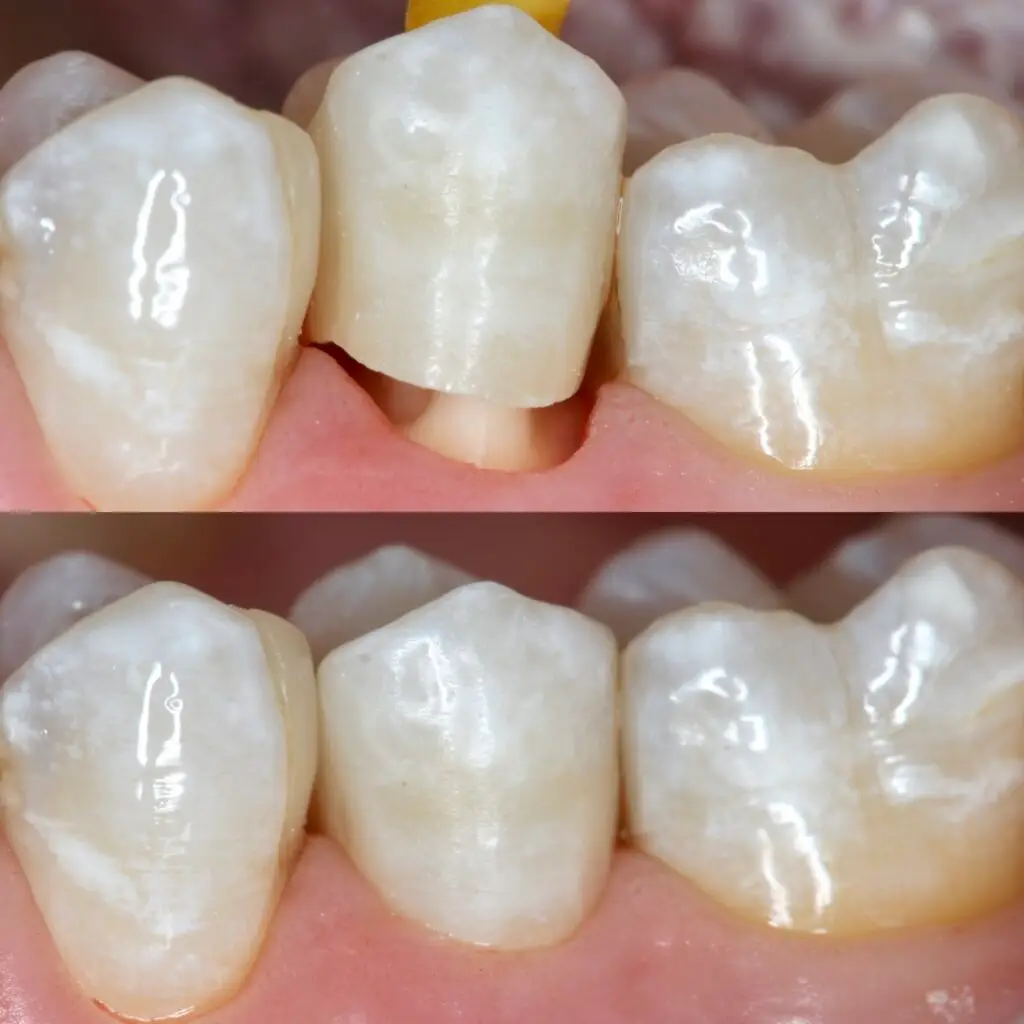
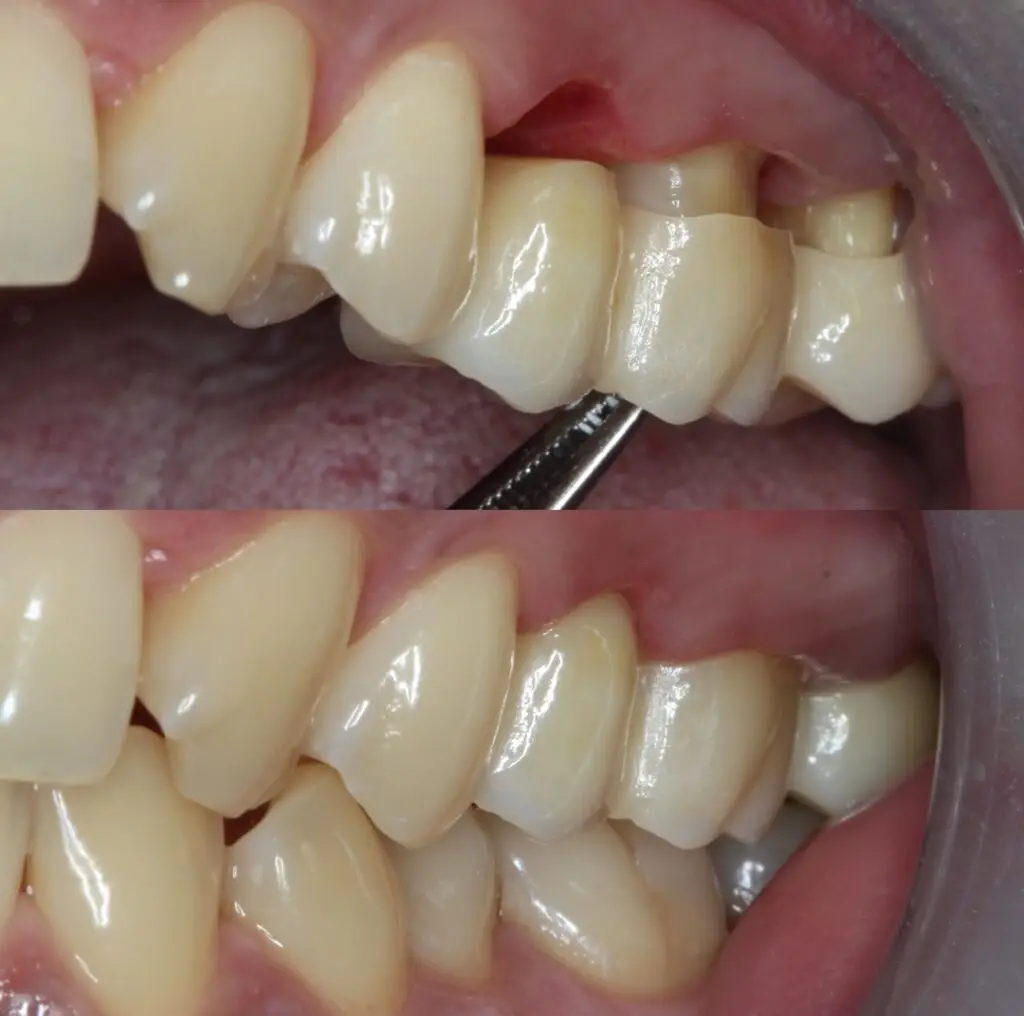
Below you will find answers to the questions our patients ask most often about all-ceramic crowns and bridges.
With proper oral hygiene and regular professional check-ups, all-ceramic crowns can last 15–25 years and beyond. The longevity of a bridge depends on the health of the supporting teeth and the level of home care. Zirconia is one of the most durable ceramic materials available in modern dentistry, making it a reliable investment in your long-term oral health.
Yes. Modern high-strength zirconia is specifically engineered to withstand the powerful chewing forces in the posterior region. It has largely replaced metal-ceramic (PFM) crowns even in demanding molar positions, without compromising durability.
The preparation of a tooth for a crown is carried out under local anaesthesia and is not painful. You may experience some sensitivity for a few days after the appointment as the tooth adjusts, but this typically resolves quickly. We work gently and take the time to ensure you are comfortable throughout the process. Patients who experience dental anxiety are warmly welcome — we offer a calm, supportive environment and can discuss additional comfort options with you.
In most cases, yes. Many of our patients choose to replace older metal-containing restorations as part of a broader transition to metal-free care. If you have existing metal restorations you are concerned about, we are also experienced in amalgam removal using safe, protective protocols. We are happy to assess your individual situation and advise on the most appropriate course of action. You may also wish to explore complementary aesthetic options such as porcelain veneers for the visible front teeth alongside crown treatment.