
Metal-free dentistry means that every dental restoration — fillings, crowns, bridges, and implants — is carried out without the use of any metallic material. Instead, only thoroughly tested, biocompatible alternatives such as zirconia ceramics, composite, and glass ceramics are used. At our dental practice in Freienstein, metal-free dentistry is not an optional upgrade but our fundamental treatment principle, applied consistently across all disciplines.
Growing scientific evidence shows that metals in the oral cavity are not equally well tolerated by every patient. Amalgam fillings contain mercury, metal crowns may contain nickel or other alloys, and even titanium — although widely classified as biocompatible — can trigger chronic inflammatory reactions in sensitive individuals. Metal-free dentistry eliminates these risks at their source.
The oral environment is subject to exceptional conditions: constant moisture, temperature fluctuations, dietary acids, and repeated mechanical stress from chewing. Under these conditions, metals can corrode over time and release ions that are absorbed into the body. When different metals coexist in the mouth — for example, an amalgam filling placed next to a gold crown — galvanic currents can arise, functioning similarly to a small battery inside your jaw.
Potential consequences of metals in the oral cavity include local reactions such as gum inflammation, tissue discolouration, and persistent taste disturbances. Systemic effects may include headaches, chronic fatigue, allergic reactions, and in the case of amalgam, long-term mercury exposure. Biological dentistry does not view the mouth in isolation but as an integral part of the entire organism. Metal-free materials are a central pillar of this holistic approach.
For every dental application, proven metal-free alternatives are available that match or surpass conventional metallic solutions in durability and function. For implants, we use zirconia ceramic implants, which equal titanium in mechanical strength while offering the highest level of biocompatibility and a natural tooth-coloured appearance.
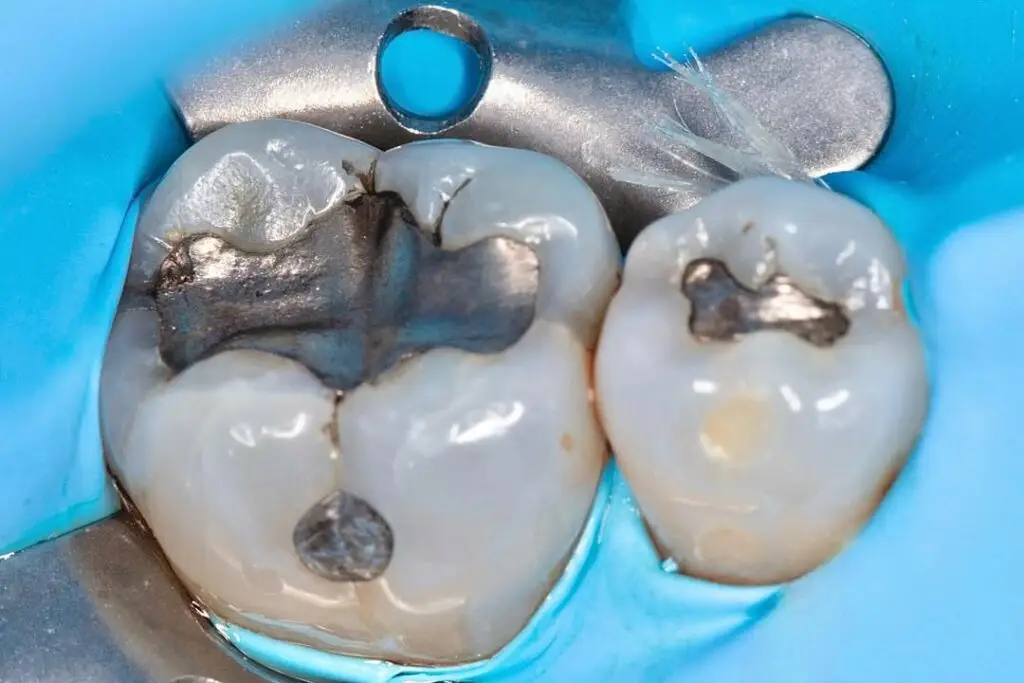
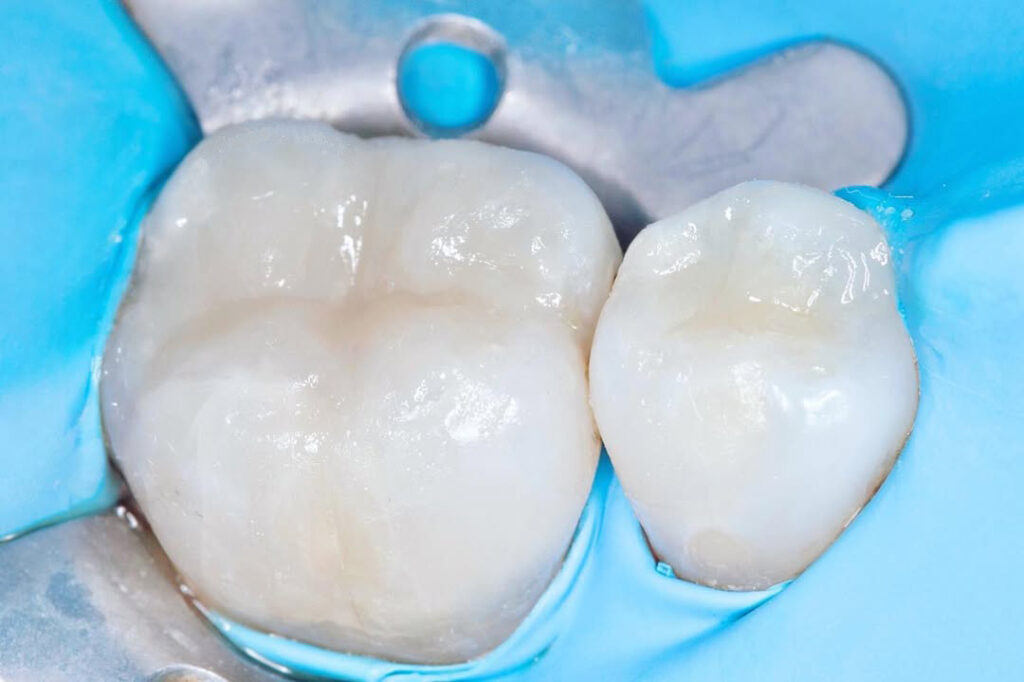
For restorations, we rely on all-ceramic crowns and bridges made from zirconia or lithium disilicate, combining outstanding natural aesthetics with excellent load-bearing capacity. For fillings, we use modern composite materials and ceramic inlays that are tooth-coloured and free from bisphenol A. For bite splints and orthodontic appliances, metal-free polymers are selected. Every material used in our practice is carefully evaluated for biological compatibility before it is introduced into treatment.
Dr. Jousef Siouri has specialised in biological and metal-free dentistry. With multiple master’s degrees and a PhD from RWTH Aachen, he brings in-depth expertise in modern materials science and minimally invasive clinical techniques. Our practice is fully equipped to deliver comprehensive metal-free treatment — from initial diagnostics through active treatment to long-term aftercare.
In addition to metal-free materials, our biological treatment concept includes supportive therapies such as PRF autologous blood therapy to promote wound healing, ozone therapy for natural disinfection, neural therapy for chronic complaints, and safe amalgam removal following the SMART protocol.
Metal-free dentistry is fundamentally suitable for any patient who values compatible, durable, and health-conscious dental restorations. It is especially beneficial for patients with known metal allergies or sensitivities, autoimmune conditions or chronic systemic inflammation, unsatisfactory experiences with previous metallic restorations, plans for comprehensive amalgam removal, or a preventive desire to keep metals entirely out of the body.
Even if you currently experience no symptoms, switching to metal-free materials can be a meaningful investment in your long-term health. In a personal consultation, we analyse your current oral situation and present the full range of options available to you.
The relationship between oral health and general systemic health is well documented in the scientific literature. Chronic inflammation in the mouth — for example caused by incompatible restorative materials — can place a sustained burden on the immune system and promote inflammatory processes throughout the body. Biological dentistry takes these interconnections into account and understands the mouth not as an isolated organ but as an integral part of the human organism.
Metal-free materials help to eliminate potential disruptive factors within the oral cavity. Combined with our interference field remediation — the detection and treatment of chronic inflammatory foci in the jaw — we pursue a comprehensive approach aimed at restoring the body’s natural self-regulation and supporting your overall health on a lasting basis.
Many of our patients report a noticeable improvement in their general wellbeing after transitioning to metal-free restorations — including fewer headaches, greater energy levels, and an improved sense of physical wellness. Individual results vary, but these consistent reports reinforce our commitment to a thoroughly metal-free treatment philosophy.
Yes. Materials such as zirconia and modern composites are extensively researched and used worldwide in everyday dental practice. Long-term clinical studies confirm their durability, fracture resistance, and biocompatibility. Zirconia in particular has demonstrated performance comparable to metal alloys over multi-year observation periods, making it a fully reliable choice for long-term restorations.
Modern dental ceramics such as zirconia achieve strength values comparable to conventional metal alloys. For implants, crowns, and bridges, there are no clinically relevant limitations in terms of longevity or load-bearing capacity under normal chewing forces. High-quality ceramic restorations are routinely placed in the posterior (molar) region, where chewing loads are greatest, and perform reliably over many years.
That depends on your individual health situation, the condition of your existing fillings, and your personal priorities. If you experience symptoms that may be related to metal exposure, or if your amalgam fillings are ageing or damaged, removal may be advisable. We are happy to advise you in a personal consultation and, where appropriate, carry out amalgam removal following the internationally recognised SMART protocol — a procedure specifically designed to minimise mercury vapour exposure during removal.